

Brighton Le Sands
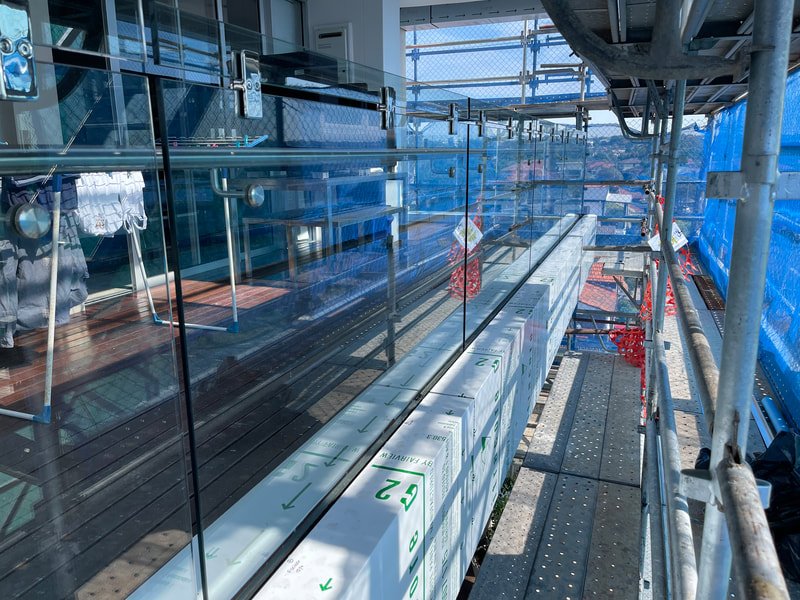
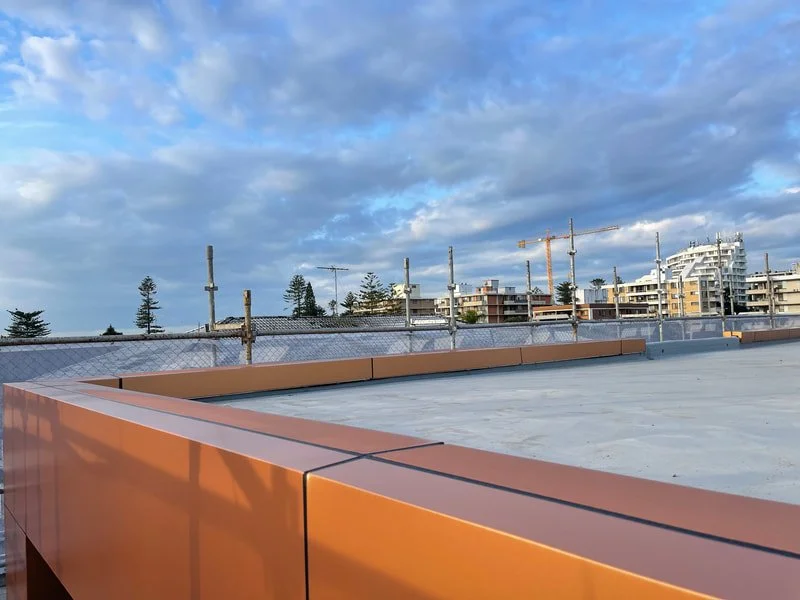
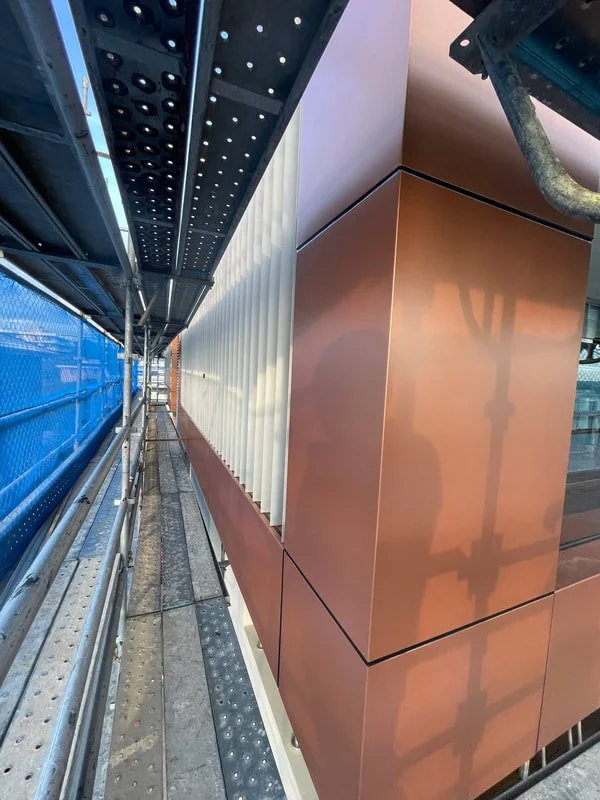
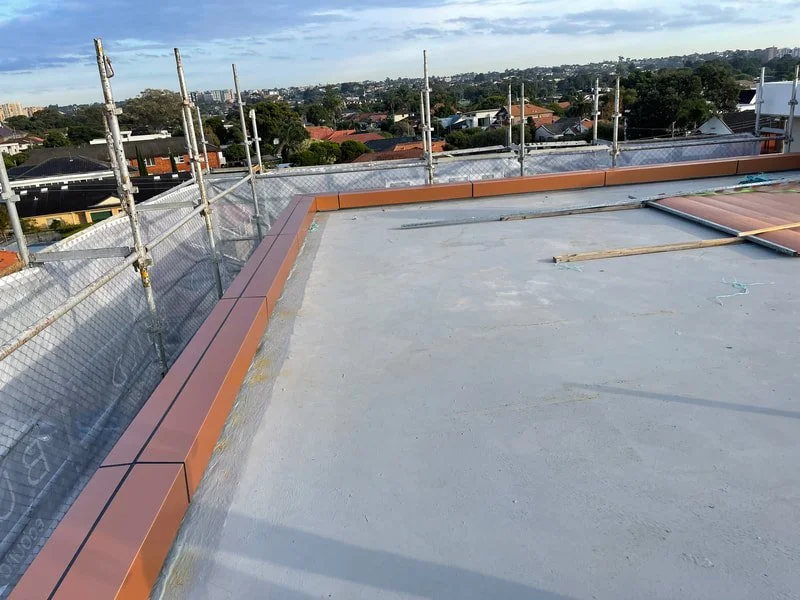
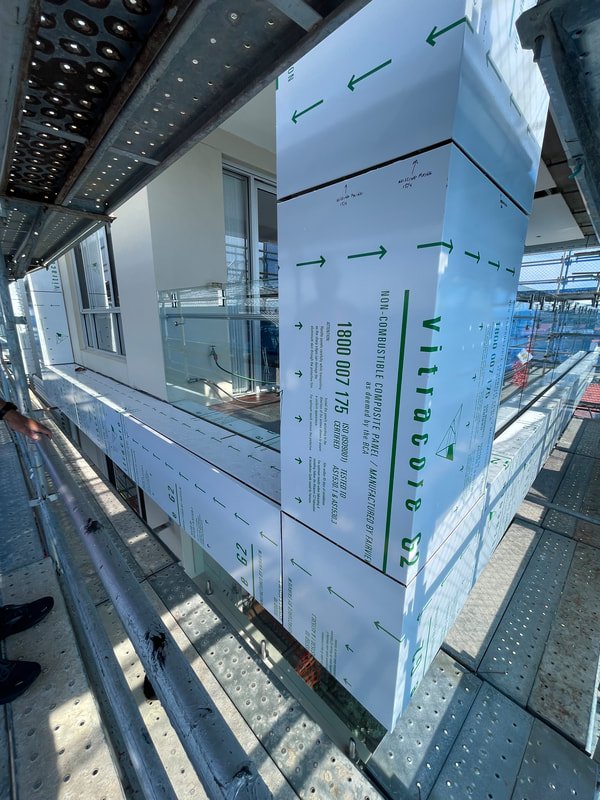
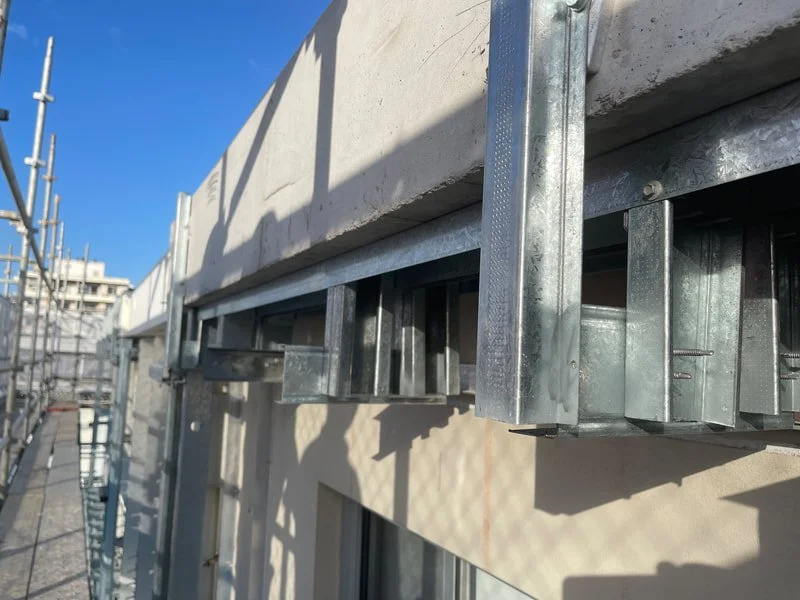
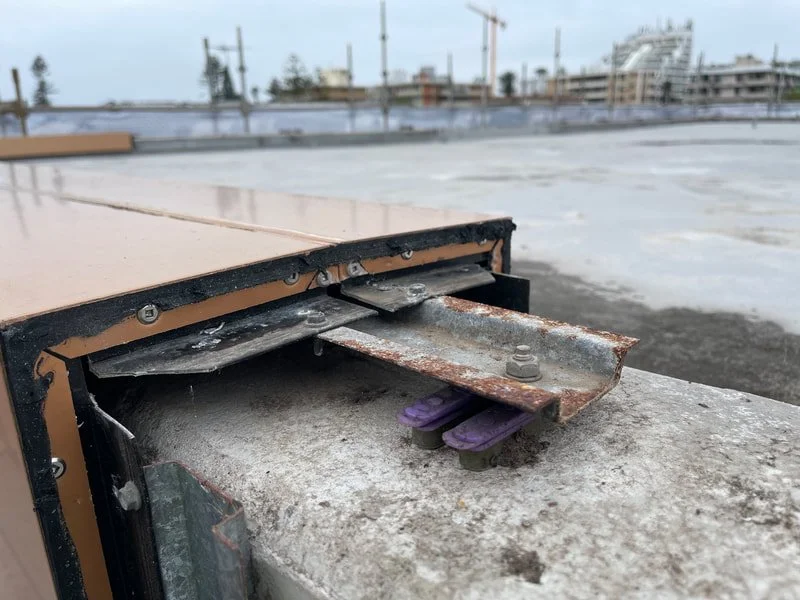
Cladding is the outer layer of a building's exterior walls and is a crucial part of its overall façade.
When properly installed, cladding serves four main functions:
• Enhancing the building's aesthetic appeal
• Contributing to thermal efficiency by regulating temperature
• Protecting internal materials from damage
• Can provide a rainscreen, protecting the building from water ingress
Recladding involves removing the existing cladding and replacing it with a new material that better meets the desired objectives and complies with Australian regulations. Upgrading old, damaged, or non-compliant façade cladding is vital for extending the building's lifespan and ensuring safety.
However, it is essential to consider both compliance with regulations and the environmental impact of the recladding process.
In Australia, regulations for combustible vary by state, but a common adopted standard is that cladding containing more than 30% combustible material is deemed hazardous and must be addressed.
The ban on combustible cladding aims to mitigate the risk of rapid fire spread and enhance the overall safety of buildings, particularly high-rise structures where the consequences of a fire can be catastrophic.